
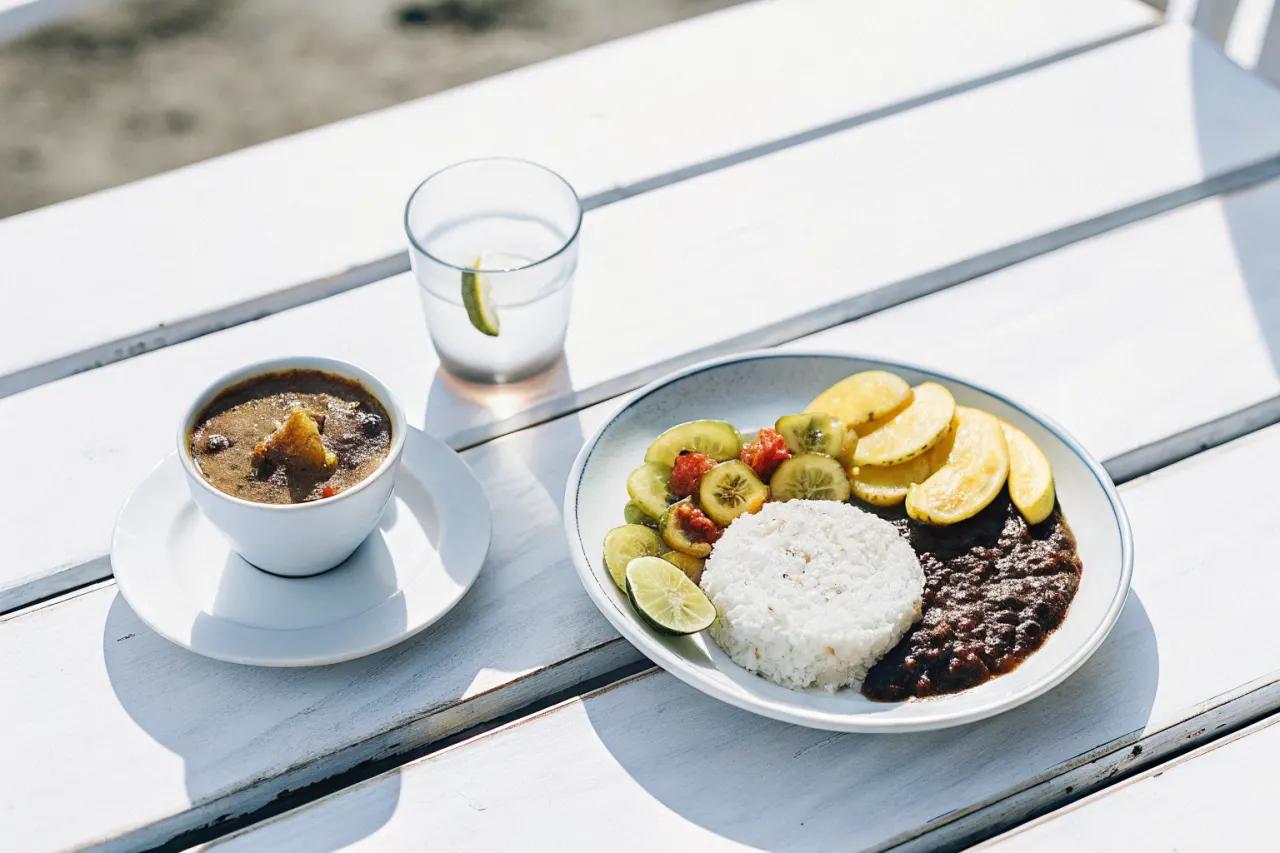
What Makes Costa Rican Food Authentic?
Costa Rican cuisine — known as "comida típica" — is built on simplicity, freshness, and deep respect for the land. Unlike the complex spice blends of Mexican or Peruvian cooking, Tico food lets its ingredients speak for themselves. Black beans, white rice, plantains, yucca, and whatever the ocean or farm provides that day are the foundation of nearly every authentic meal.
Authenticity here isn't about following a rigid recipe — it's about the spirit behind the dish. It's the grandmother who wakes before sunrise to make gallo pinto from yesterday's rice. It's the fisherman who delivers ceviche ingredients still smelling of the sea. It's the family who wraps tamales together every Christmas Eve as a tradition passed through generations.
In Jaco, that authenticity is alive at every corner — from open-air sodas (small local restaurants) to beachside bars serving cold Imperial beer with a bowl of chifrijo. This guide walks you through the dishes you can't miss.
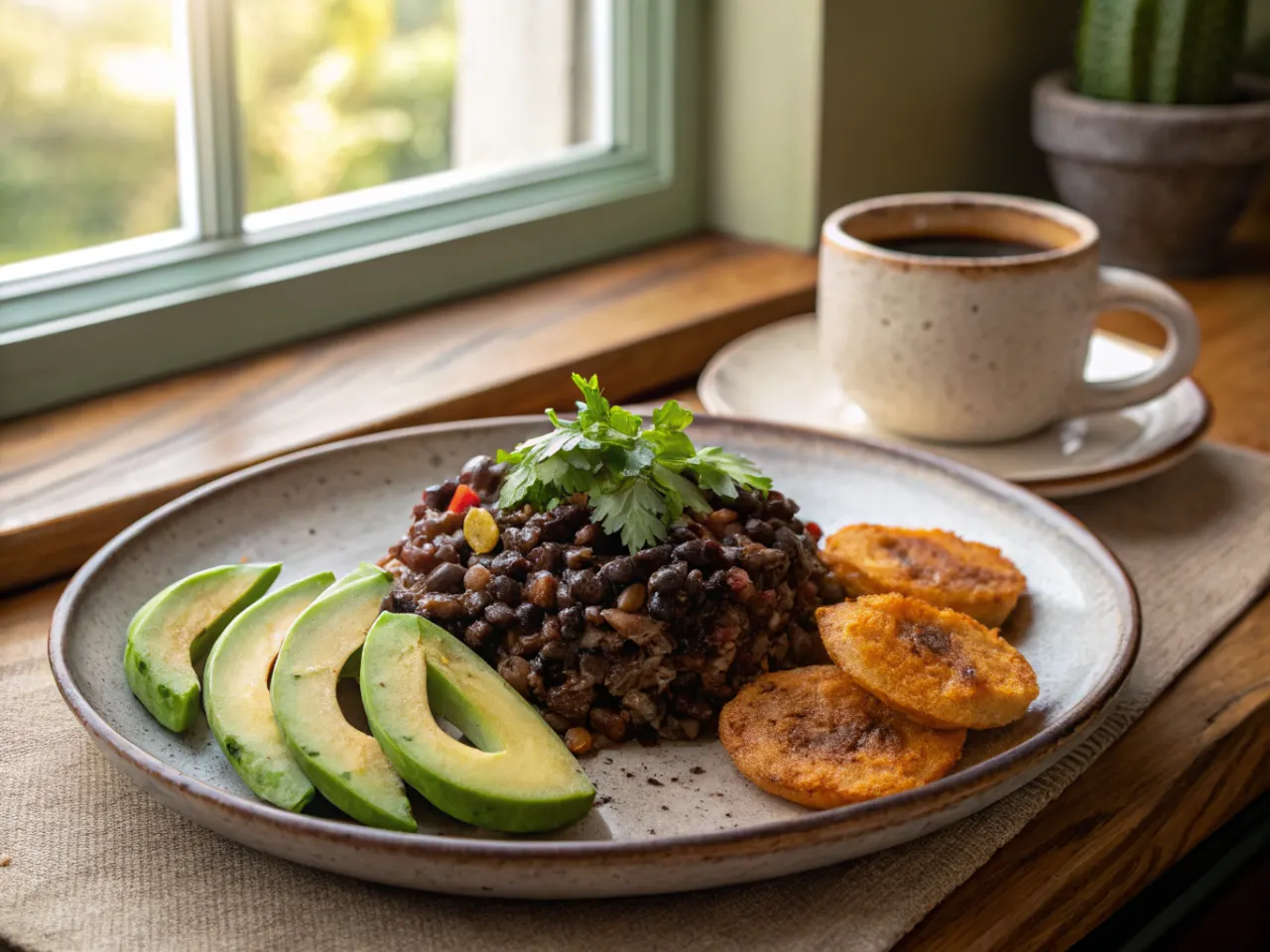
Gallo pinto — the dish that starts every authentic Costa Rican morning
Gallo Pinto: The National Breakfast
If there is one dish that defines Costa Rica, it's gallo pinto. Literally meaning "spotted rooster," this humble mix of leftover white rice and black beans is fried together with onion, sweet bell pepper, cilantro, and a splash of Lizano sauce — the nation's beloved condiment with a mild, slightly sweet, and tangy flavor.
Ticos eat gallo pinto morning, noon, and sometimes even night. Breakfast versions often come alongside scrambled eggs, natilla (sour cream), fresh cheese, and strong Costa Rican coffee. The key to an authentic plate is using day-old rice — fresh rice won't give you that characteristic slightly crispy, well-seasoned texture.
Don't leave Jaco without eating gallo pinto at a local soda rather than a tourist restaurant. The difference in authenticity — and price — is remarkable.
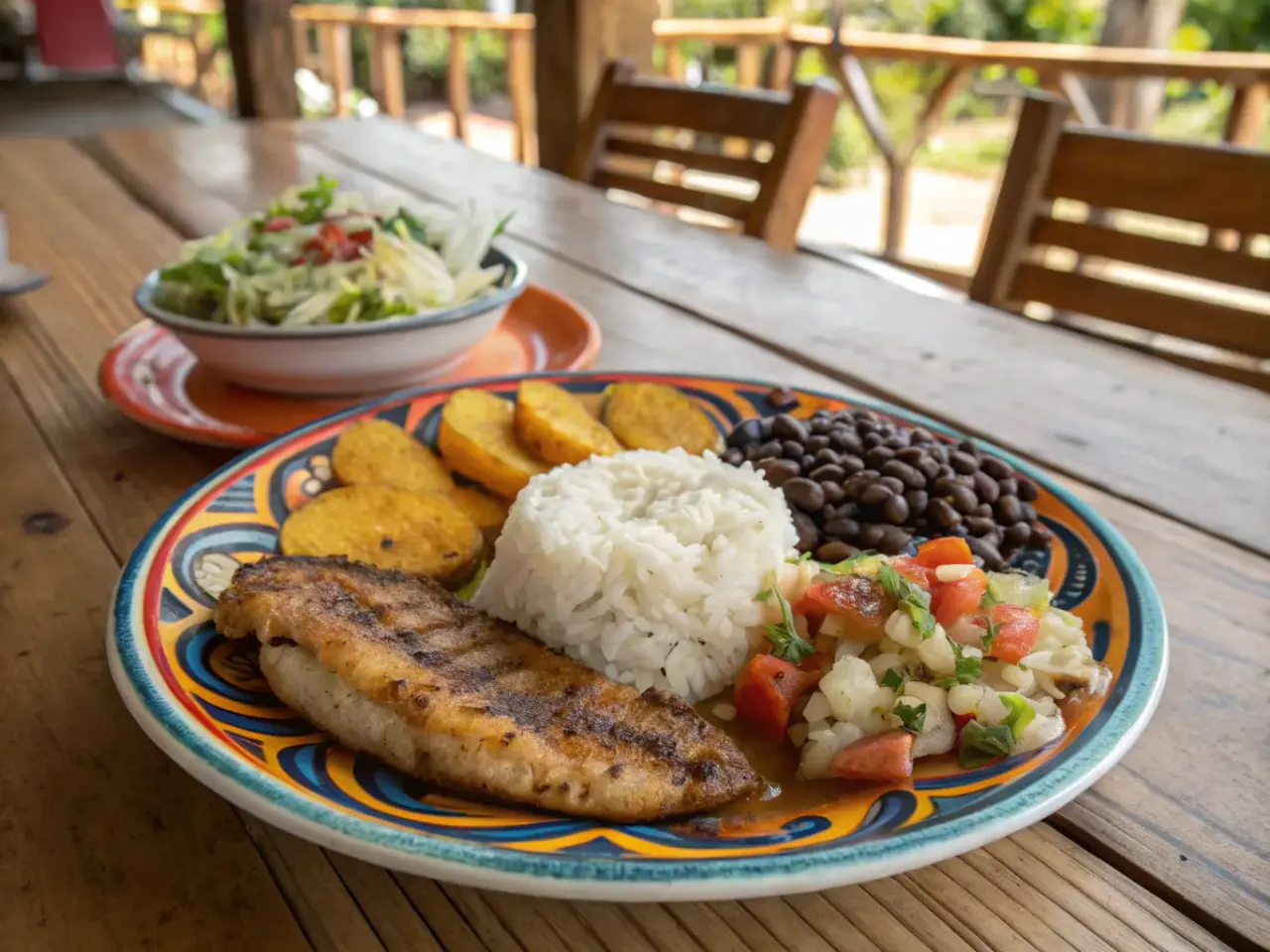
The casado — a complete meal in one colorful, satisfying plate
Casado: The Complete Tico Meal
The word "casado" means "married man" in Spanish — a nod to the idea that this is the kind of wholesome, filling plate a wife would cook for her husband. And wholesome it is. A classic casado brings together white rice, black beans, a simple cabbage salad dressed with lime, sweet fried plantains (patacones or maduros), and your choice of protein: grilled chicken, beef, pork, or fresh Pacific fish.
What makes a casado authentic is balance. Each component plays a role — the beans add earthiness, the plantains bring sweetness, the salad provides brightness, and the protein anchors it all. Every soda in Costa Rica has its own version, and regulars often develop fierce loyalty to their favorite spot.
In Jaco, casados are often served with a side of patacones (thick smashed and fried green plantain chips) and chimichurri sauce. Order the fish version near the waterfront — the freshness makes all the difference.
“Tico food isn't trying to impress you with complexity — it earns your love through honesty. Every ingredient is there because it belongs.”
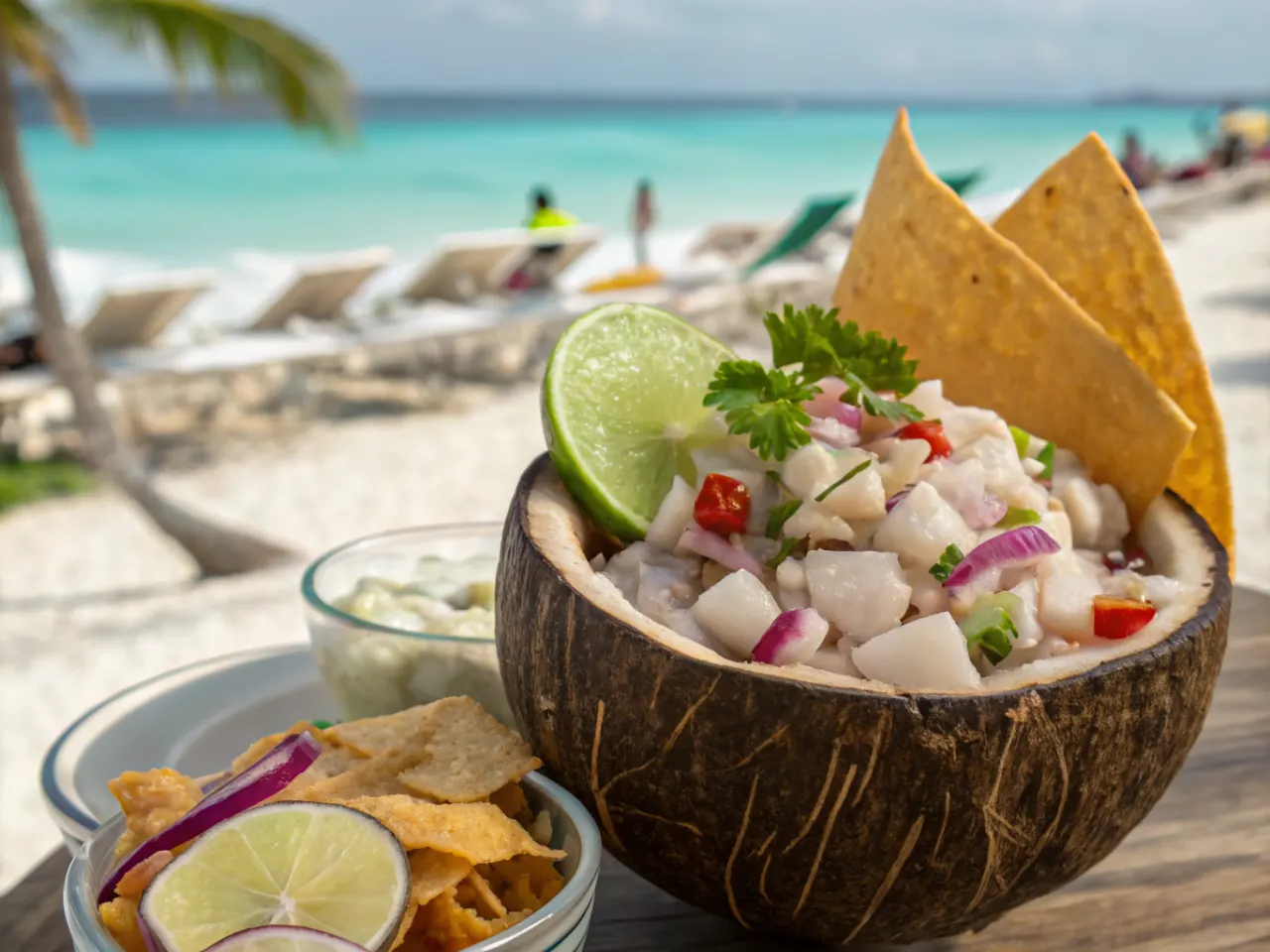
Pacific ceviche — the ocean's freshness in every citrus-bright bite
Ceviche: The Pacific Coast Treasure
Costa Rican ceviche is its own distinct style — lighter and less spicy than Peruvian versions, it lets the quality of the fish do the talking. Cubed corvina (sea bass) or tilapia is "cooked" in fresh lime juice until opaque, then mixed with diced onion, sweet red pepper, cilantro, and a touch of jalapeño for gentle heat.
The result is clean, bright, and deeply refreshing — exactly what you want after a morning of surfing or exploring. In Jaco, ceviche is everywhere: served in plastic cups at street stalls, plated elegantly at beachfront restaurants, or scooped into tostadas for crunch. The freshness of the catch changes daily, which is precisely what makes it exciting.
Look for spots that make their ceviche to order rather than pre-mixing batches. The citrus continues to "cook" the fish over time, and freshly made is always best — the texture is firmer and the flavor more vibrant.
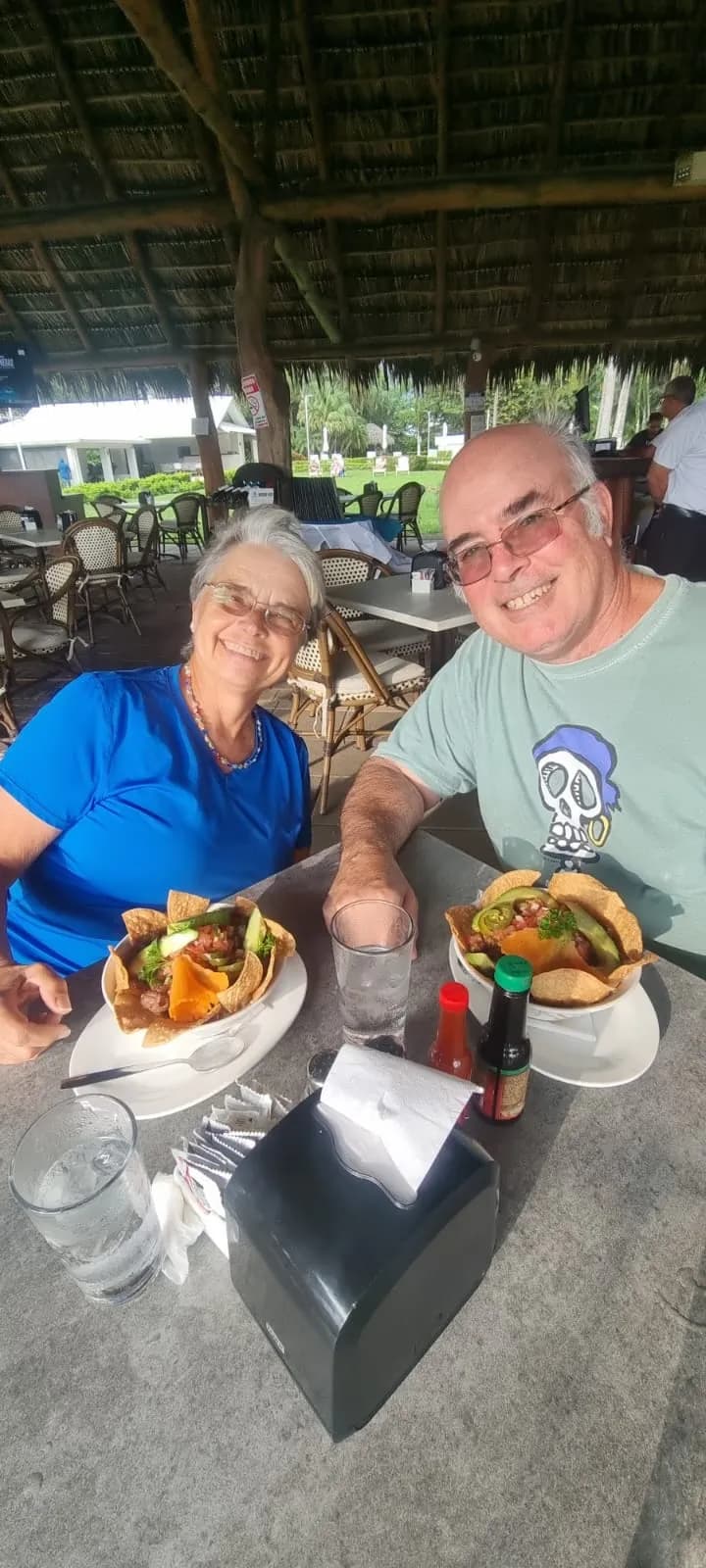
Chifrijo: Jaco's favorite bar snack, enjoyed best with good company
Chifrijo: The Iconic Bar Snack
Chifrijo was invented in Costa Rica and has become a national obsession. The name is a blend of "chicharrón" (fried pork) and "frijoles" (beans) — the two stars of the dish. Layered in a bowl: white rice on the bottom, then stewed red beans, then crispy pork belly chunks, topped with fresh pico de gallo (chimichurri tico), avocado slices, and a squeeze of lime. Tortilla chips are served on the side for scooping.
It's the perfect accompaniment to a cold Imperial beer at a beachside bar, and you'll find it on virtually every menu in Jaco. What sets a great chifrijo apart is the chicharrón — it needs to be freshly fried, still crackling, so it doesn't go soggy in the bowl. Texture is everything.
Our food tour stops at a local spot famous for its chifrijo, and watching first-timers take their initial bite and immediately order a second bowl is one of the best parts of the evening.
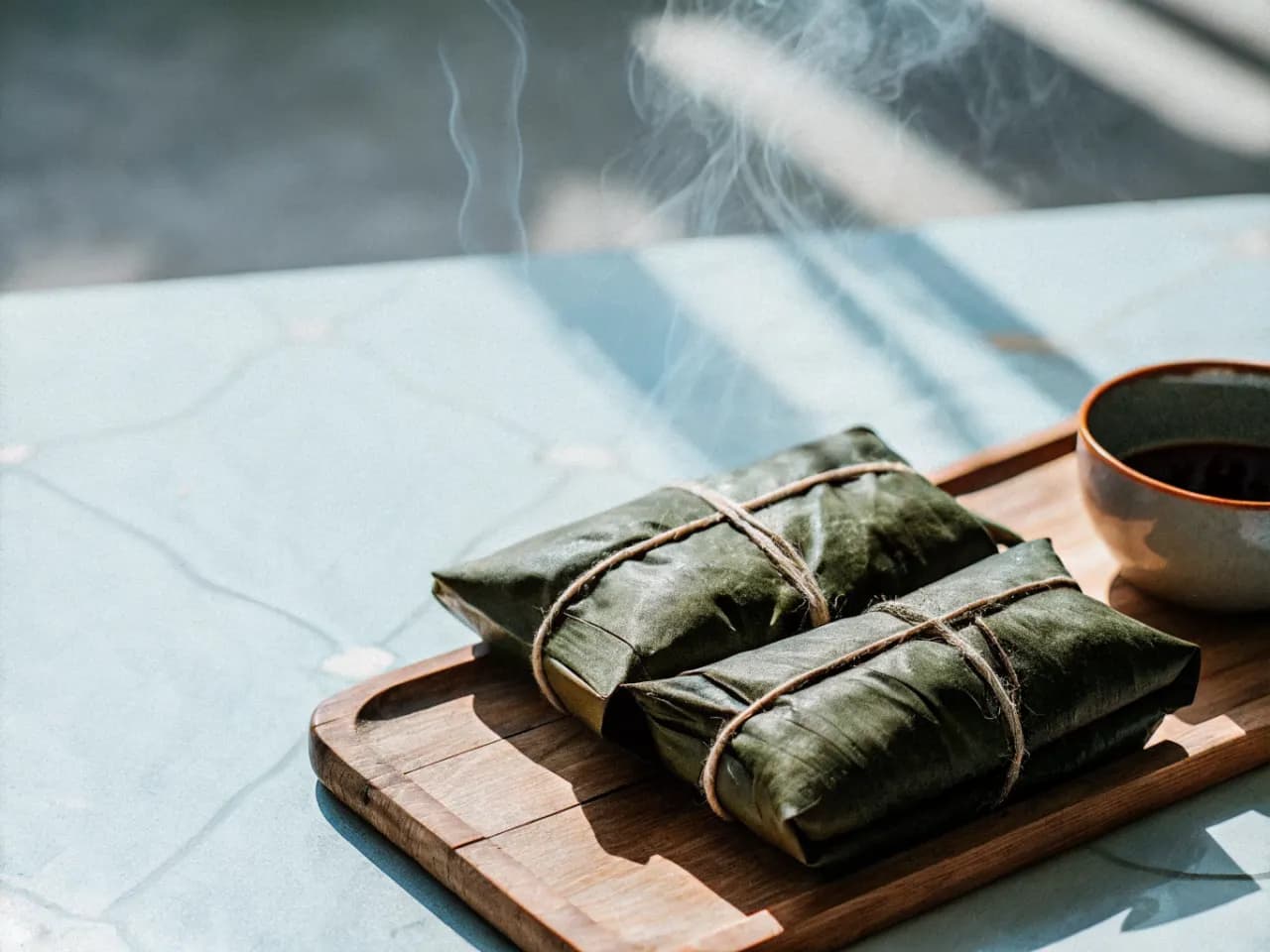
Tamales wrapped in banana leaves — a living Costa Rican tradition
Tamales: A Festive Tradition
Costa Rican tamales are a world apart from their Mexican counterparts. Here, the masa (corn dough) is softer and moister, and the filling is generous: seasoned pork, rice, chickpeas, carrots, raisins, and a green olive or two for a briny surprise. The whole package is wrapped tightly in banana leaves and boiled until steaming and fragrant.
Tamales are deeply tied to the Christmas season in Costa Rica. Families spend entire days — or even weekends — making them together in what's called a "tamalada." It's less about the recipe and more about the ritual: children assigned to fold leaves, grandparents seasoning the masa from memory, and everyone gathered around a long kitchen table.
You can find tamales year-round at local markets and some sodas in Jaco. If you visit in December, you'll likely be offered one by a neighbor before you even sit down — and you should absolutely accept.

Costa Rican coffee — world-class flavor in every single cup
Costa Rican Coffee: A Ritual, Not Just a Drink
Costa Rica produces some of the finest coffee in the world, and locals take it seriously. The country's high-altitude volcanic regions — Tarrazú, Naranjo, Tres Ríos — produce beans with bright acidity, caramel sweetness, and clean fruit notes that have made Costa Rican coffee a benchmark for specialty roasters globally.
Traditionally, Ticos brew coffee using a chorreador — a simple wooden stand with a cloth sock that filters hot water poured slowly over ground beans. The method is low-tech but produces a remarkably clean, smooth cup. At most sodas, you'll be served strong brewed coffee alongside a small jug of warm milk to add yourself.
In Jaco, several excellent cafes serve single-origin Costa Rican coffee with skill and care. After a morning food tour stop, sitting with an expertly pulled latte while the town wakes up around you is one of those travel moments you remember long after you get home.
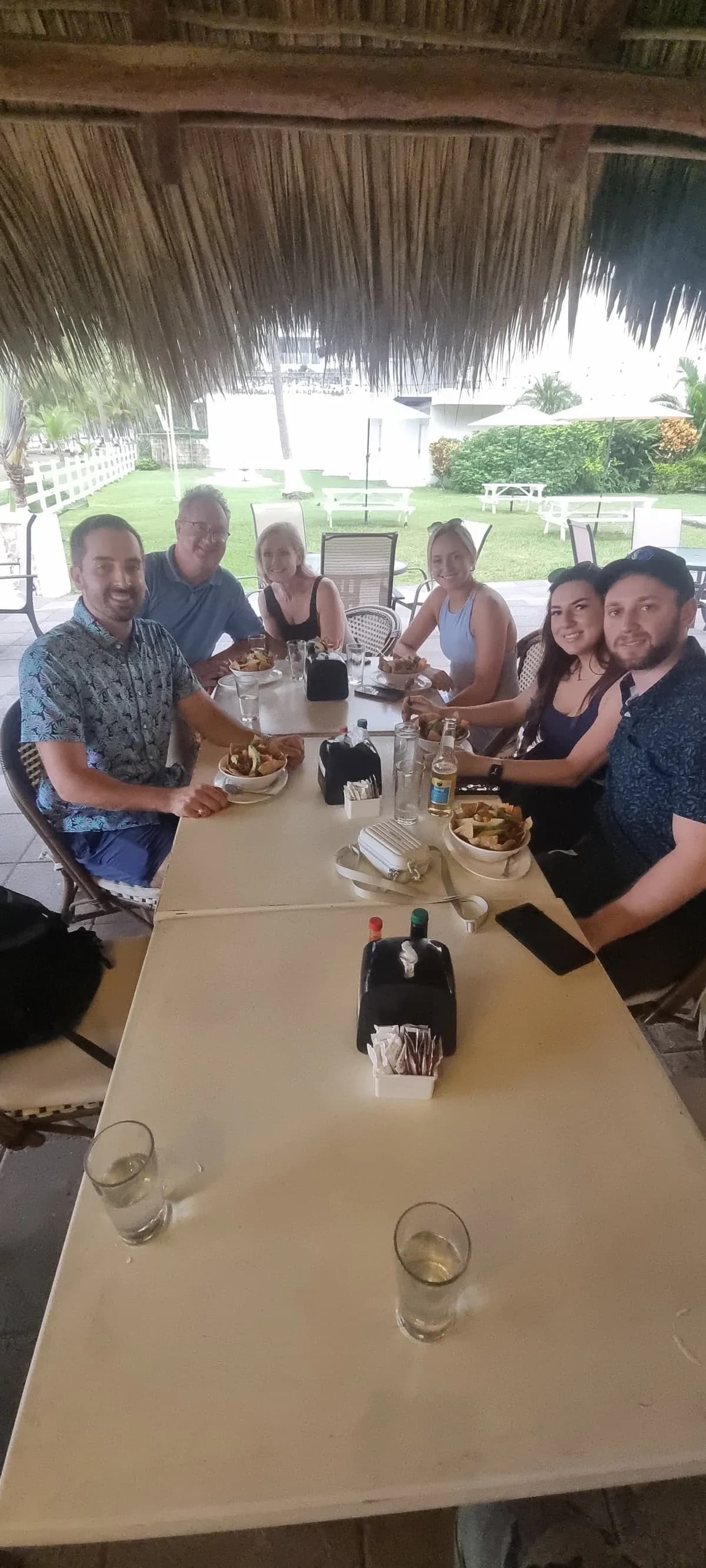
Sharing a meal in Jaco — where food brings people together
Dining in Jaco: Where to Find the Real Thing
Jaco has no shortage of restaurants, but finding truly authentic comida típica means knowing where to look. Skip the menus written in English only. The best spots are often the ones with plastic chairs, handwritten specials boards, and a TV in the corner playing Costa Rican fútbol. These are the sodas — family-run, unpretentious, and serving food that tourists rarely find because they're too busy looking for air conditioning.
That said, Jaco also has genuinely excellent beachside restaurants that serve local dishes with a polished touch — open-air palapas (thatched-roof structures) where you can eat grilled snapper twenty meters from the Pacific while the sun drops behind the mountains. The setting is part of the flavor.
The Jaco Food Tour was built to bridge exactly this gap — to take visitors inside the dining culture locals actually live, not just the tourist version of it. Four stops, real stories, and food that tastes like it was made for the people who live here. Because it was.
Eat Authentically, Eat Well
Costa Rican cuisine rewards curiosity. The more you step away from menus designed for visitors and toward the food locals have eaten their whole lives, the better everything tastes. Gallo pinto at sunrise. Casado at noon. Ceviche by the water. Chifrijo at sunset. Coffee anytime, always.
These aren't just dishes — they're entry points into a culture that takes genuine pride in what it puts on the table. Costa Rica's Pura Vida philosophy isn't just a saying. It's the way a grandmother seasons her beans. It's the fisherman at the dock at five in the morning. It's a family tamale-making session that lasts all weekend.
Come hungry. Leave knowing that the best food you ate in Costa Rica wasn't the most expensive — it was the most honest.