
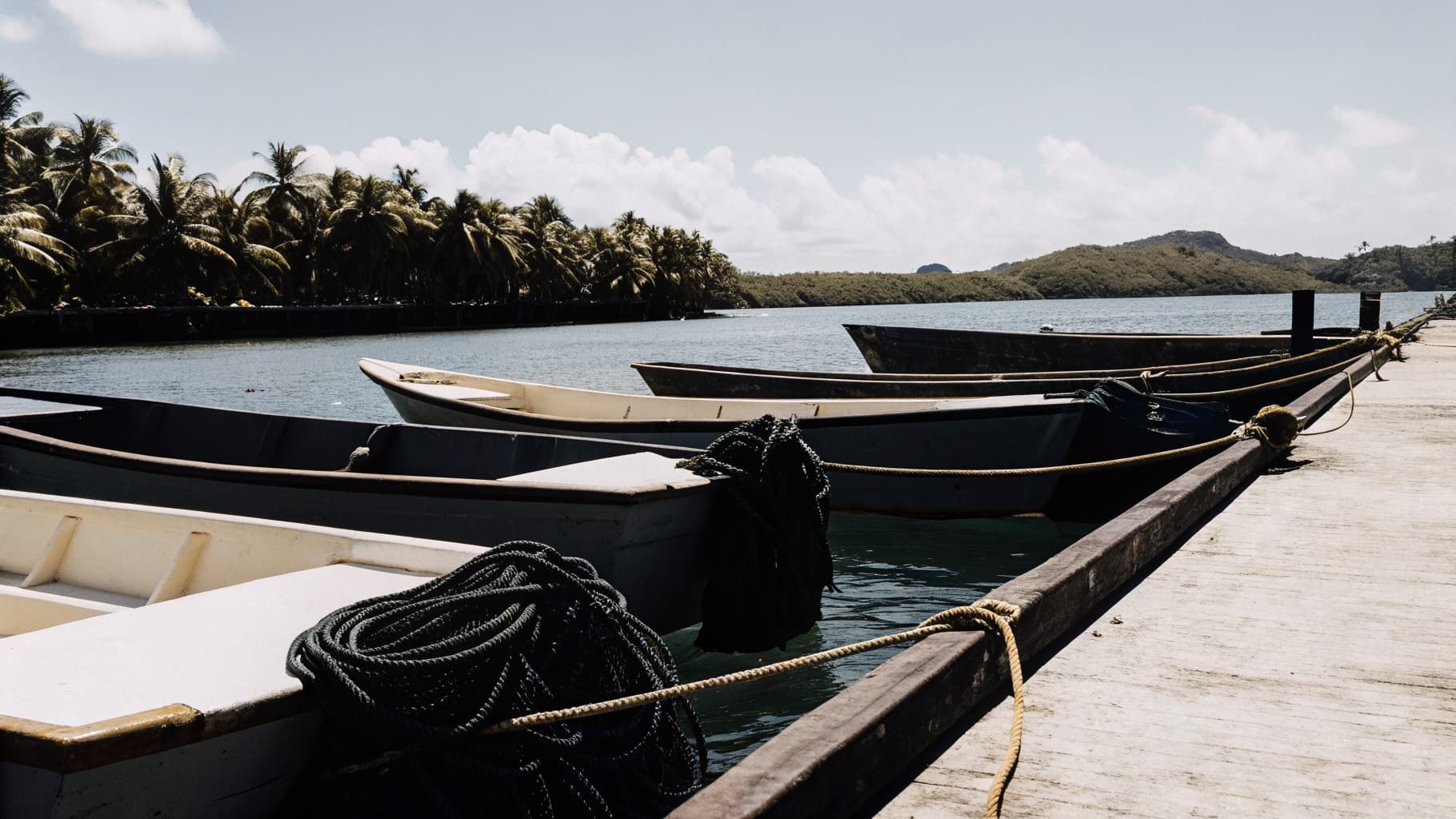
Two Seasons, One Ocean, a Different Catch Every Month
Jaco sits on Costa Rica's Central Pacific coast, where the year splits cleanly into a dry season (roughly December through April) and a green season (May through November). Most visitors know that split changes the weather. Fewer know it changes what's swimming offshore, what's running inshore, and what actually shows up fresh on a restaurant plate that week.
Water temperature, current patterns, and river runoff all shift with the seasons, and fish follow food. Billfish and pelagics move through in predictable windows. Nutrient-rich green season runoff pulls baitfish — and everything that eats them — closer to shore. A handful of species, like corvina, never really leave. Knowing the pattern is the difference between ordering whatever's on the menu and ordering what a local boat pulled in that morning.
This guide breaks down what runs when, what lands on the table because of it, and how to eat seasonally the next time you're in Jaco.
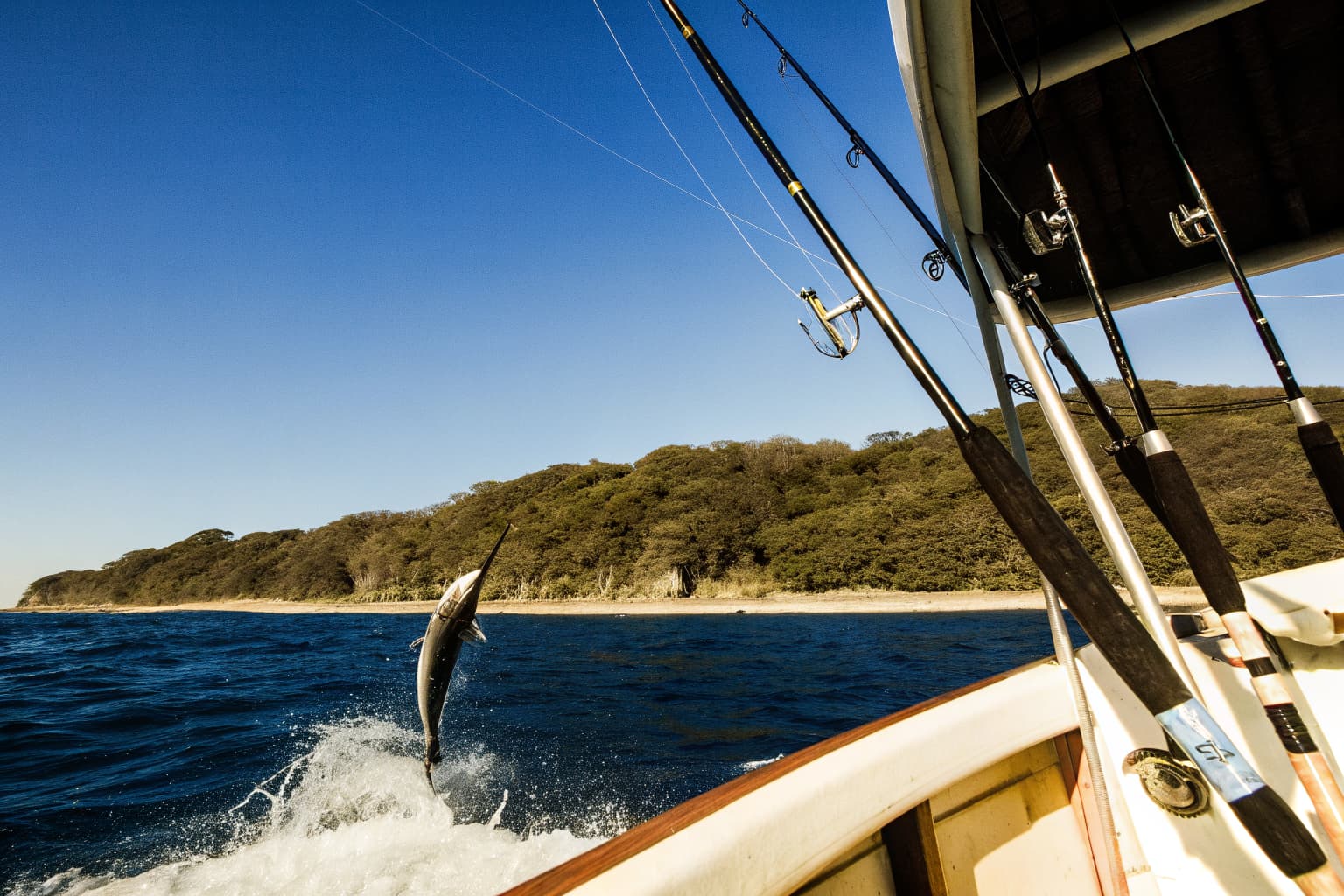
Clear blue water and calm seas make December through April prime billfish season offshore
Dry Season (December–April): Billfish, Tuna & Roosterfish
Calm seas, clear water, and steady offshore currents make the dry season Jaco's marquee stretch for big pelagics. Sailfish and Pacific marlin push through in numbers from around December into April, drawn by baitfish holding along temperature breaks a few miles out. These are prized gamefish and almost always released, not served — a practice every reputable operator in Jaco follows to keep the fishery healthy for the next season.
What does land in the cooler this time of year is yellowfin tuna, running strong on the same offshore structure as the billfish, along with dorado (mahi-mahi) that stick around the dry season's clear water in smaller but consistent numbers. Inshore, roosterfish patrol the rocky points and river mouths, a favorite light-tackle target that occasionally shows up as a catch of the day at smaller sodas.
On the menu, dry season means seared or grilled tuna loin, dorado tacos with cabbage slaw and lime crema, and corvina ceviche made with whatever the morning boats brought in — clear, bright, citrus-forward dishes that match the season's dry, sunny days.
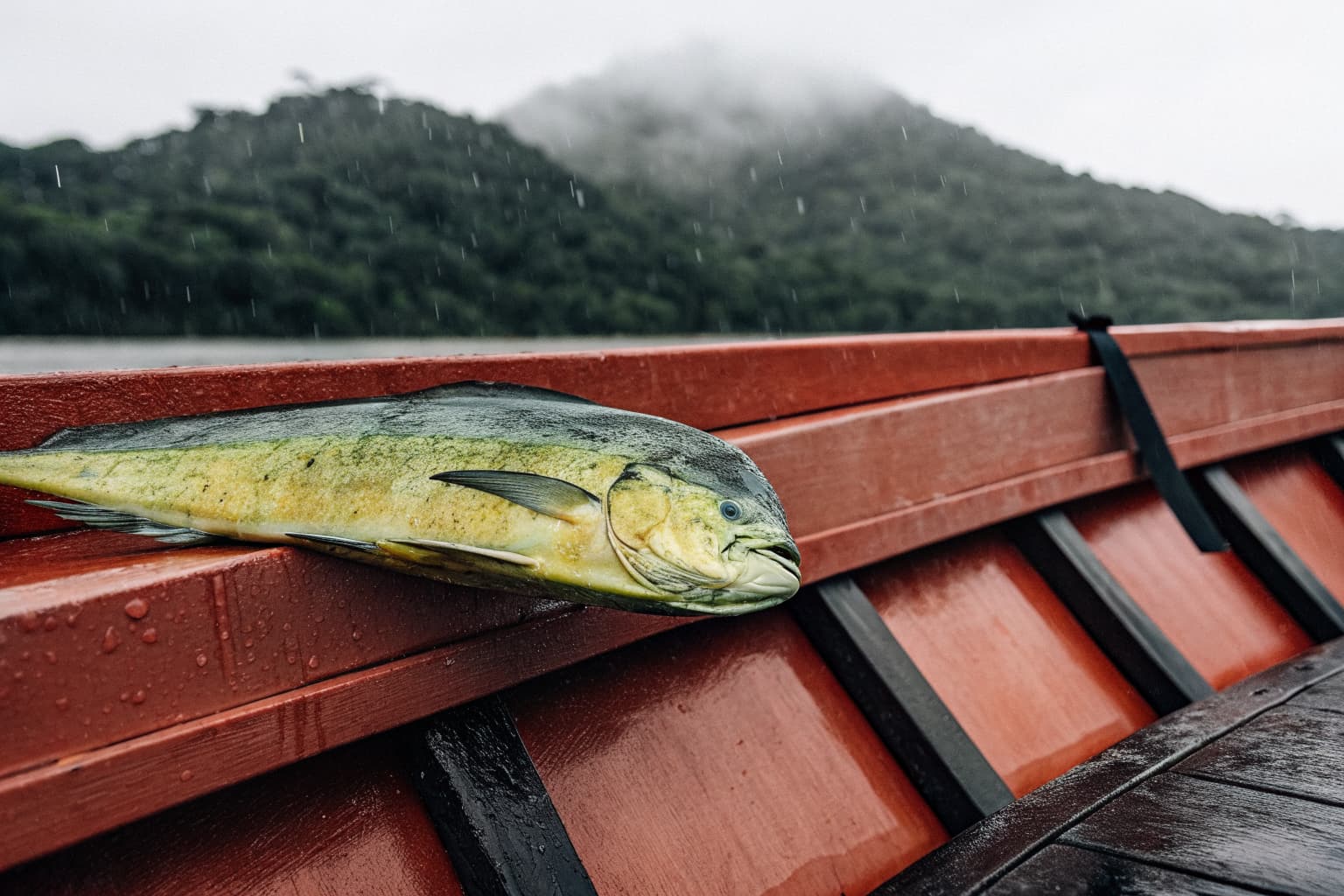
The dorado run peaks during Jaco's green season, from roughly May through November
Green Season (May–November): Dorado, Wahoo & Snapper
Green season is when dorado really turns on. Warmer water and floating debris pushed offshore by rain and river runoff give dorado plenty to hold under, and the species runs heaviest along the Central Pacific from roughly May through November — peaking hardest in the back half of the rainy months. It's the single most reliable fish on Jaco's boats this time of year, and it shows up on nearly every menu because of it.
Wahoo make their strongest appearances in the green season too, prized for dense, clean-tasting flesh that holds up well to grilling. And inshore, the same rain that darkens the water pushes nutrients and baitfish toward river mouths and rocky points, which is exactly where cubera and red snapper (pargo) feed hardest. It's counterintuitive, but rainy season often means better inshore snapper fishing, not worse.
This is peak season for pargo entero — a whole red snapper, scored and fried crisp, served with rice, patacones, and a squeeze of lime — along with blackened wahoo steaks and dorado prepared half a dozen ways, from al ajillo (garlic butter) to fresh ceviche.
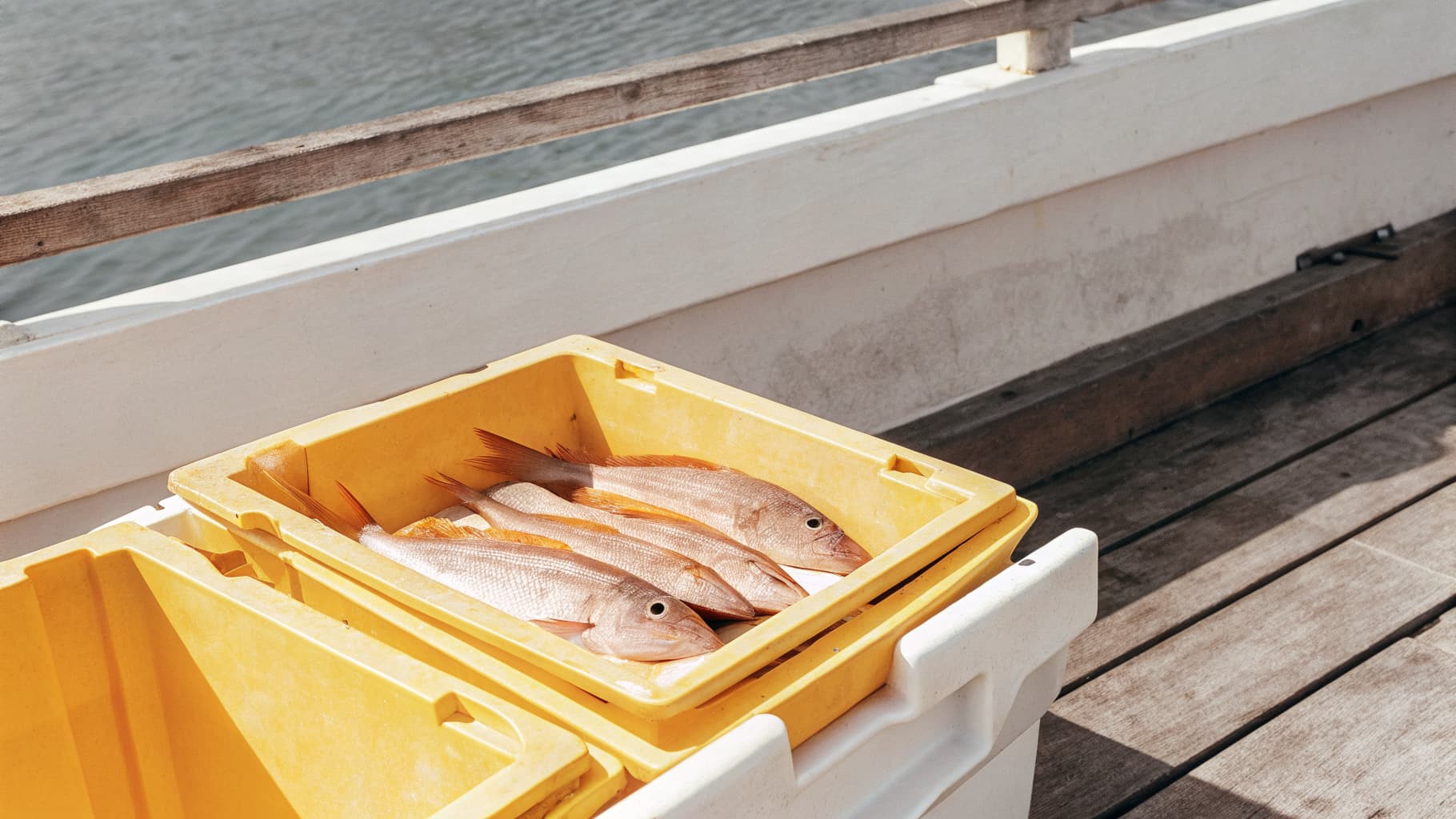
Corvina and snapper are worked year-round by Jaco's day-boat fleet
The Year-Round Staples: Corvina & Snapper
Not everything on the menu waits for a season. Corvina (sea bass) is worked by Jaco's small day-boat fleet twelve months a year, holding close to shore and structure regardless of rain or shine. It's mild, firm, and the default choice for ceviche across nearly every soda in town — the fish most visitors eat without ever realizing it's a constant, not a seasonal special.
Red snapper leans the same way, present all year but noticeably more abundant once the green season rains start feeding the inshore food chain. Between the two, a Jaco kitchen can always put fresh, local fish on the table — the seasonal species are what change the rest of the menu around them.
Quick Reference: What Runs When
- December–April (dry season): Sailfish and marlin (catch and release), yellowfin tuna, roosterfish inshore, steady dorado.
- May–November (green season): Peak dorado run, strongest wahoo action, and the best inshore snapper and pargo fishing of the year.
- All year: Corvina (sea bass) and red snapper, worked daily by Jaco’s local panga fleet regardless of season.
- Transition months (April–May, November–December): Overlap windows where dry and green season species can both show up on the same boat.
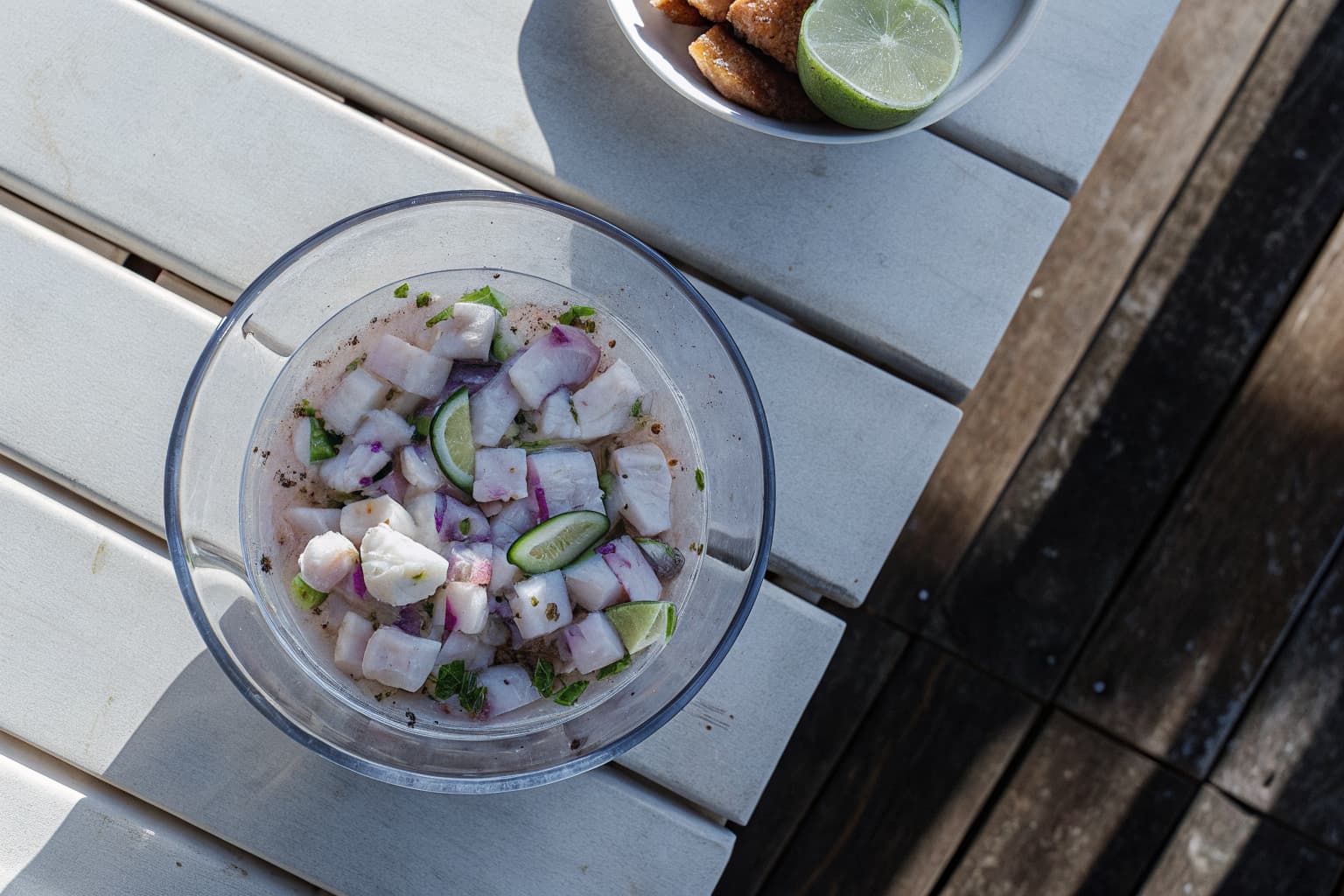
Same-day corvina ceviche, the dish that never leaves a Jaco menu
From Boat to Plate: How Jaco Sources Its Seafood
Jaco's seafood scene runs on small day boats, not industrial trawlers. Local pangas head out before sunrise and are back on the dock by midday, which means most of what's served at dinner that night was still in the ocean that morning. That short trip from water to kitchen is a bigger factor in flavor than almost anything a chef does afterward.
It's also why sustainability and seasonality go hand in hand here. Billfish stay in the water through catch-and-release sport fishing rather than the table. Restaurants that work with local boats naturally serve what's actually running that week instead of flying in something out of season — which is a big part of why Jaco's seafood tastes the way it does.
Practical Tips for Eating Seasonally in Jaco
- Ask what the boats brought in that day. Most sodas and restaurants change their fresh catch daily. A quick question at the table usually gets you the freshest, most seasonal option on the menu.
- Visit in the green season for the best snapper and dorado. Rain scares off some visitors, but May through November is when inshore snapper fishing and the dorado run both peak.
- Default to corvina ceviche any time of year. It is the one dish that is reliably fresh and in season no matter when you visit Jaco.
- Look for pargo entero in the rainy months. Whole fried red snapper is at its best from roughly May through November, when inshore snapper activity is highest.
- Save billfish for the water, not the plate. Sailfish and marlin are catch-and-release species in Jaco. If a menu offers them, that is a red flag, not a specialty.
Eat With the Season, Not Against It
Jaco's two seasons don't just decide whether you'll need a rain jacket — they decide what's actually good to eat that week. Dry season brings clear water, billfish sport, and steady tuna. Green season brings the heaviest dorado run of the year and some of the best inshore snapper fishing on the coast. Corvina holds the whole thing together, fresh in every season.
Whichever month you visit, the fastest way to eat well in Jaco is simple — ask what came off the boat that morning, and order that.