
Jaco in September: The Central Pacific's Quietest, Greenest Month
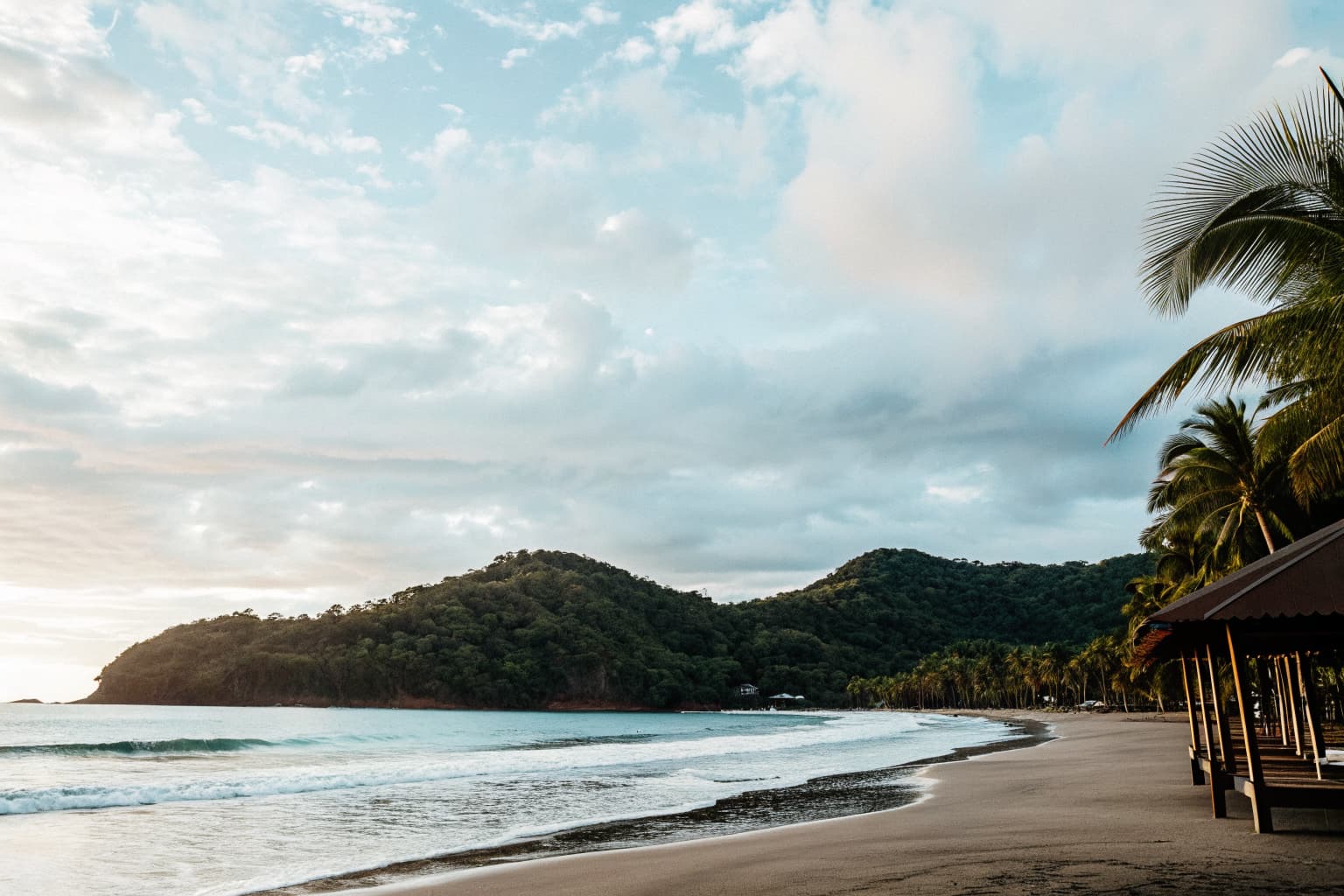
September sits right in the middle of Costa Rica's green season, and on the Central Pacific coast that means Jaco Beach at its most lush. The jungle hills behind town turn a deeper shade of green than any other time of year, the crowds thin out, and the town settles into a slower, more local rhythm. It's also one of the most flavorful months to eat here — between Independence Day traditions, peak mango season, and the return of Pacific sea turtles to the beaches just south of town.
Puntarenas province, where Jaco sits, typically logs around 300–350mm of rainfall across roughly 20–23 rainy days in September — making it one of the two wettest months of the year alongside October. But rain on the Central Pacific coast is rarely an all-day event. Mornings are usually clear and warm, with showers building through the afternoon and clearing again by evening. Daytime highs run 29–31°C (84–88°F), nights cool to a comfortable 23–24°C (73–75°F), and ocean water stays a swimmable 27–29°C (81–84°F) all month.
This guide covers what to actually expect from a September visit to Jaco — the weather patterns, the food traditions tied to the month, and where the local cuisine shines brightest right now.
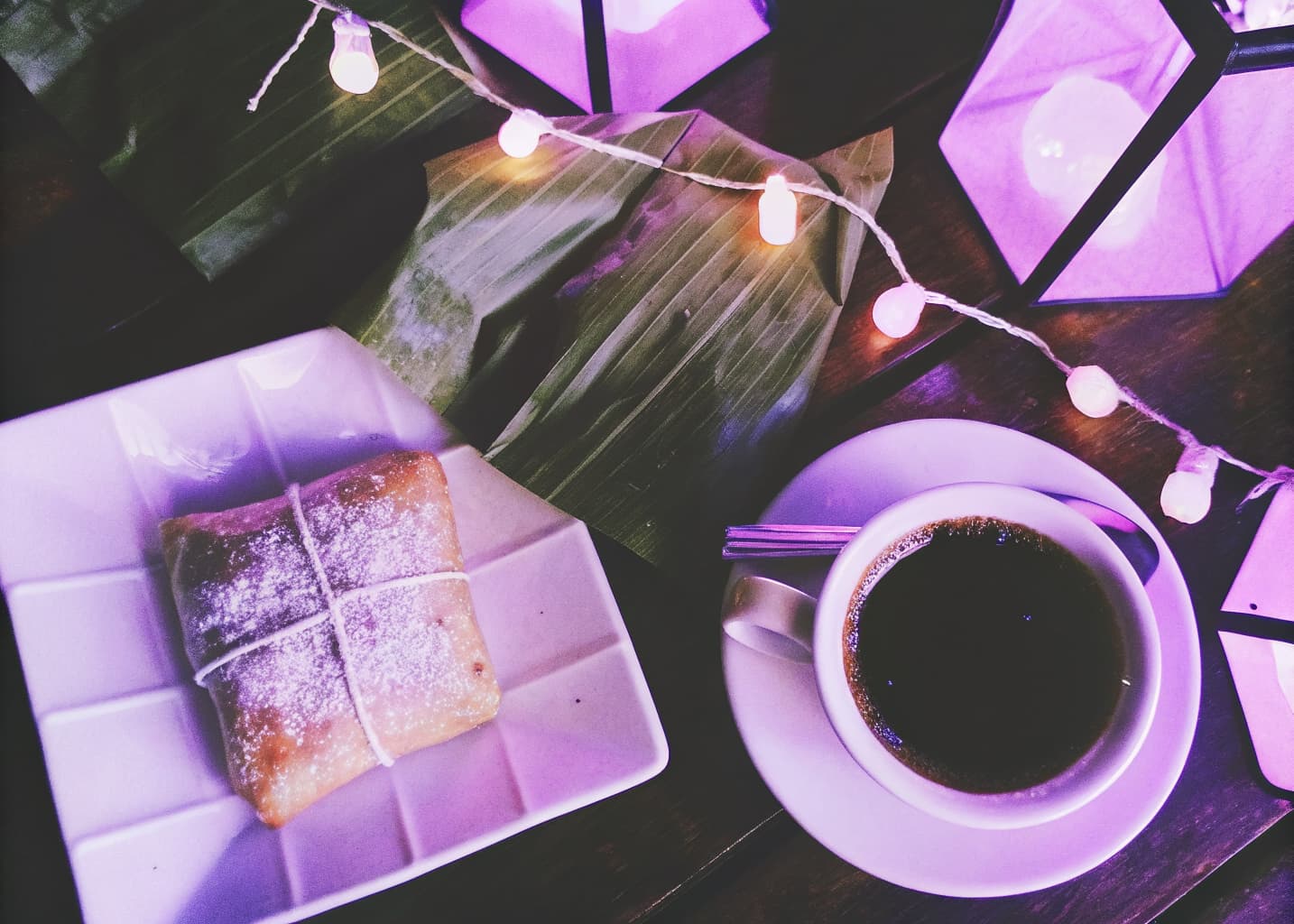
Tamales and torta chilena, the taste of Costa Rican Independence Day
September 15: Costa Rica's Independence Day in Jaco
If you're in Jaco on September 15, you're in town for the biggest civic holiday on the Costa Rican calendar. Costa Rica, along with the rest of Central America, celebrates independence from Spain on this date, and the lead-up fills the streets with farolitos (handmade paper lanterns), school marching bands, and the national colors on every corner. Jaco's central streets see their own desfile with kids from local schools marching in formation, an event the whole town turns out for.
The food traditions are just as important as the parade. Families gather around tamales — corn masa filled with pork or chicken, wrapped and steamed in banana leaves — made in batches big enough to share with neighbors. Torta chilena, a many-layered dulce de leche pastry dusted in powdered sugar, shows up on dessert tables across town. And Costa Rican coffee, always excellent, gets poured a little more generously than usual as families and friends linger over the holiday.
If your visit lines up with mid-September, ask any local soda if they're making tamales that week. Most family-run kitchens do, and it's one of the few times of year you'll find this dish outside of the December holiday season.

September marks peak nesting season for Olive Ridley sea turtles on the Central Pacific coast
Turtle Nesting Season Along the Central Pacific
September and October are peak nesting months for Olive Ridley sea turtles on Costa Rica's Pacific coast, with beaches near Jaco — including Playa Hermosa just south of town — among the region's active nesting sites. Females come ashore after dark to dig nests and lay eggs, a slow, quiet process that local conservation groups monitor closely throughout the season.
It's a reminder of why so many restaurants in Jaco lean on sustainably sourced Pacific seafood rather than anything tied to sensitive coastal habitats. If you want to see nesting activity responsibly, go through a local guide who knows the current rules around light and distance — and treat it as a quiet, patient evening rather than a wildlife photo op.
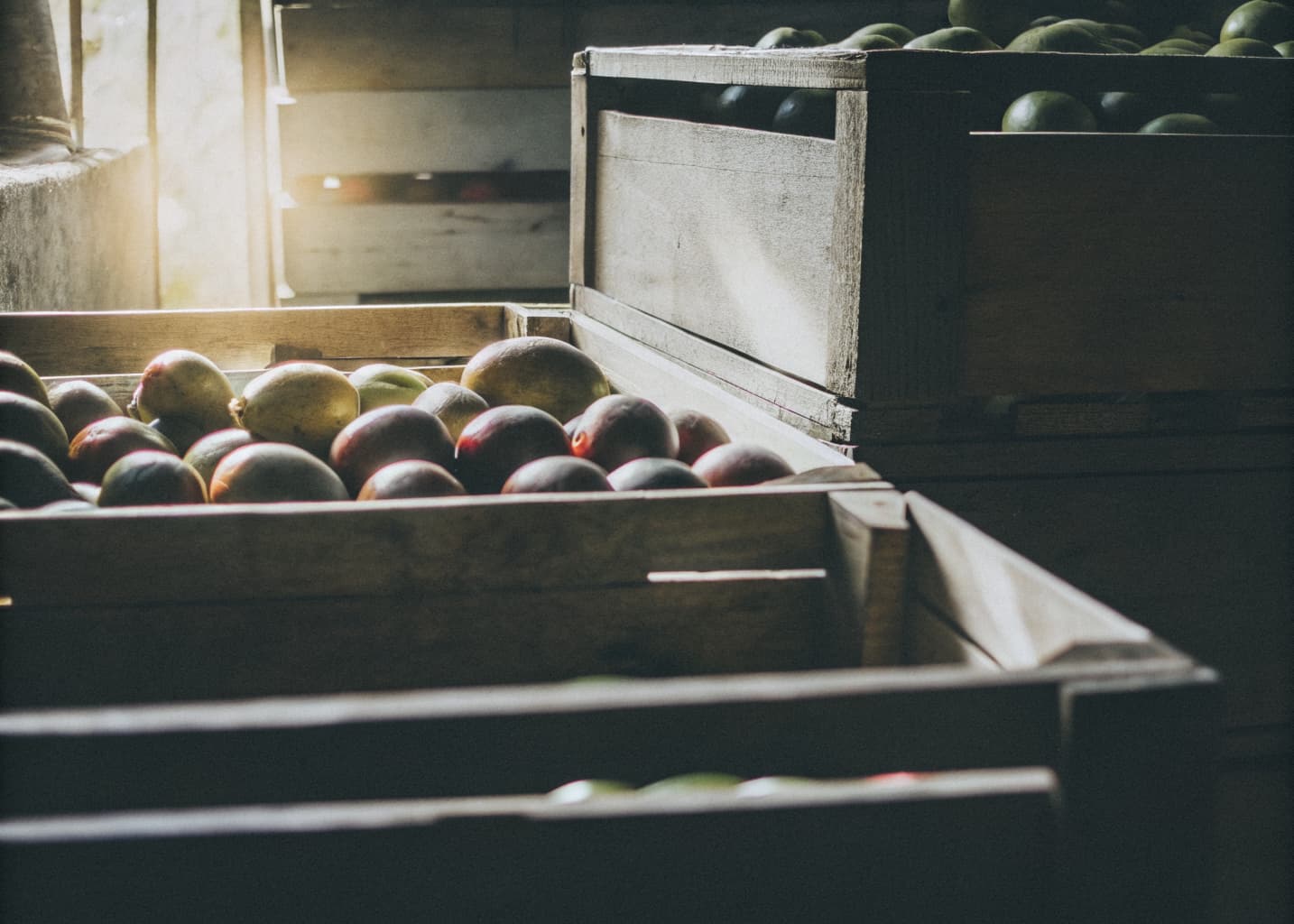
Late mango season means the sweetest, heaviest fruit of the year at Jaco's markets
What's in Season: September Produce & Local Dishes
September catches the tail end of mango season and the peak of several fruits that thrive on heavy rain. Jocote (a small tart-sweet plum), marañón (cashew fruit, eaten fresh or pressed into juice), and pipa fría (young coconut water, sold cold on nearly every corner) are all at their best this month. Local vendors and markets around Jaco stock up heavy on these in September, and prices on tropical fruit tend to be some of the lowest of the year.
Gallo Pinto
Costa Rica's national breakfast — rice and beans sautéed with onion, sweet pepper, and cilantro, usually served with eggs, natilla, and fried plantain — is a year-round staple, but September's cooler mornings make a hot plate of gallo pinto with strong coffee feel especially right.
Sopa Negra
Black bean soup with a poached egg is comfort food built for rainy afternoons. September's consistent afternoon showers make it one of the most-ordered dishes at local sodas this time of year.
Ceviche de Corvina
Jaco's fishing fleet works year-round, and September is no exception. Fresh corvina (sea bass) ceviche, citrus-marinated with cilantro and onion, is as good in the green season as it is in the dry months — a bright, cold contrast to a grey, humid afternoon.
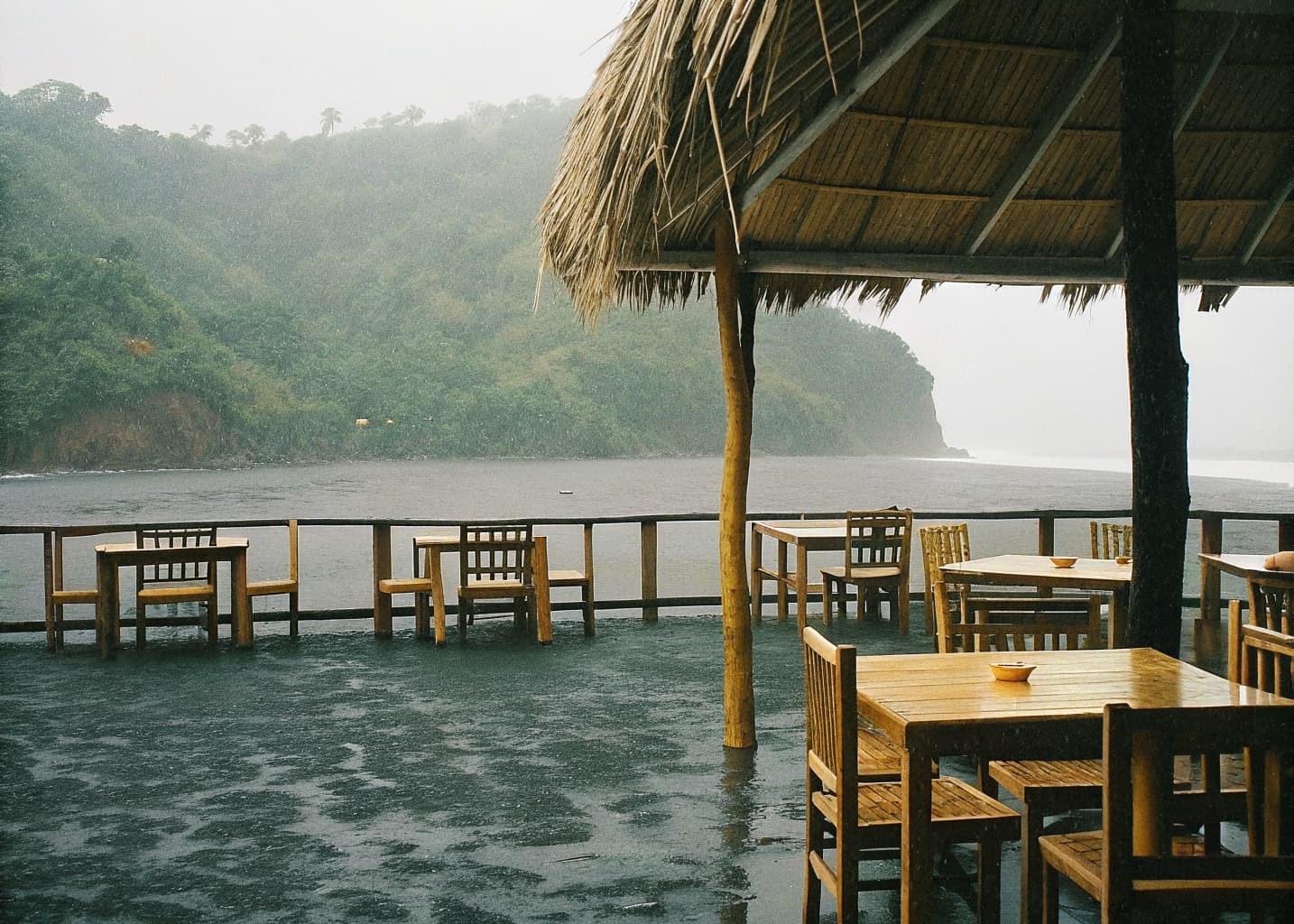
September is Jaco's quietest month, meaning easier tables and more relaxed service
Why September Is Worth Planning Around
September is consistently one of the lowest-traffic months for tourism on the Central Pacific coast, which shows up directly in the food scene. Restaurants that are slammed in January and February have time to talk, walk you through the menu, and cook without rushing. Many spots also run green-season pricing that isn't available the rest of the year.
For a Jaco Food Tour, September plays to every strength: fewer crowds at each restaurant stop, dry mornings for walking the route comfortably, and ingredients — from mangoes to fresh Pacific seafood — that are genuinely at their best this time of year.
Practical Tips for Visiting Jaco in September
- Plan outdoor activities and food tours for the morning. September rain on the Central Pacific coast typically arrives in the afternoon and clears by evening. Mornings are usually dry, so book walking tours, beach time, and market visits before noon.
- Pack a light rain jacket, not an umbrella. Afternoon showers can be brief but heavy, and coastal wind makes umbrellas impractical. A packable rain jacket handles it better.
- Try to time a visit around September 15. If your trip lines up with Independence Day, you’ll catch the local parade, farolito displays, and tamale season, one of the most distinctly local experiences Jaco offers.
- Ask what fruit came in that day. September markets are stocked with mango, jocote, and marañón at their peak. Most vendors and restaurants are happy to point out what’s freshest.
- Book restaurants and tours a little ahead, even in low season. Fewer crowds does not mean zero crowds, and the best family-run sodas still fill up around Independence Day week specifically.
The Local Side of Jaco, Served in September
September shows a version of Jaco that most visitors never see — quieter streets, greener hills, a town celebrating its own independence rather than performing for peak-season crowds. The food reflects all of it: tamales made for family, mangoes at their sweetest, fresh ceviche regardless of the clouds overhead.
Come with a rain jacket and an appetite. September in Jaco rewards both.